

Gas Safe Building Regulations Compliance Certificate
If you own a home that is owned by a person, it is legally required that local authorities are informed when an appliance that produces heat using gas or flue is installed on the premises. This is due to building regulations Part J which requires every registered engineer who is gas safe to inform the authorities.
This is also true for landlords. Why do you need gas safety certificates?
It's a lawful requirement
Carbon monoxide poisoning is a serious problem that causes many people to fall ill or die each year. This is caused by poor installation and maintenance of gas appliances and flues. A gas certificate is therefore extremely important. It's an obligation for landlords, and proves that the work they do on their property is done in compliance with regulations of GSIUR. This is to ensure the safety of tenants and other occupants.
Landlords in England and Wales are legally required to notify their local authority whenever the installation of a gas appliance that produces heat like a boiler, is installed on their property. This applies to both residential and non-residential buildings. This obligation to inform the local authorities is a crucial aspect of Building Regulations.
A landlord who doesn't meet the standards could be fined or even detained. It is crucial that landlords possess a gas certificate. It helps them avoid legal issues, as well as keeping their tenants safe. For instance, without a certificate, a landlord's insurance may become null and void.
A Gas Safety Certificate (CP12) is a legal requirement for UK landlords. It is issued by a gas engineer after an annual inspection, which includes a thorough examination of the safety of all gas appliances within the property. The certificate is then given to the Local Authority as well as the gas company.
The gas engineers who perform this work are thoroughly vetted by the Gas Safe Register and must be licensed to install such equipment. It is also their duty to inform the authorities of any installation that falls under the Building Regulations. This includes any structural changes to a heating system such as moving a boiler.
In certain instances, in some cases, a Declaration of Safety can be sent instead of the Building Regulations Compliance Certificate. gas safety certificate what is checked is typically the case when gas cooking appliances that are flueless like hobs and cookers are fitted. Landlords should notify the local authority of such installations in order to obtain an Declaration of Safety.
It's a sense of security
Gas certificates aren't just legally required and are also a guarantee of your safety and that of your family. Every year, many people fall ill from carbon monoxide poisoning or are killed by unsafe gas appliances. To ensure that your appliances and flues are safe, you should be inspected by a professional. This is to comply with the Gas Safety Installation and Use Regulations 1998.
Gas Safe Register will notify local authorities when a licensed engineer has confirmed that your boiler is safe. This should be done no longer than 28 days following the work has been completed. The Building Regulations Compliance Certificate will be delivered to you via post. It is important to keep this in a safe place as it could be needed when you sell or remortgage your home. You can obtain a duplicate of your Certificate if you have lost it by contact with Gas Safe Register. gas safety certificate check will cost only a small amount.
Landlords are legally required to get an Gas Safety Certificate and conduct annual inspections of their property. This is because of the GSIUR regulations, which were designed to safeguard tenants from harmful gases. If you're a landlord it's essential to stay in line with these regulations to avoid fines or even prosecution.
It's important to remember that not all plumbers are registered with Gas Safe, so you should always check before hiring a plumber. Only Gas Safe registered plumbers can perform work on gas-related equipment. Gas work is not legal in the event that you are not registered with Gas Safe.
There is no need for an gas safety certificate for your home if you own it, unless you rent it out. However, it's an excellent idea to have one since it gives peace of mind and ensure that you are protected from any future liability. It's an excellent way to show to potential buyers that your home is in compliance with current gas safety regulations. This will help you to get a higher price for your property.
It's an insurance requirement
A gas safe building regulations compliance certificate, also known as a CP12, is an essential document that all UK landlords must have. It is legally required to prove that your property meets government standards for gas appliances. It can be used to prove that you've had regular inspections. This is required by boiler manufacturers to ensure that warranties are valid. Keep an original copy of the certificate in case you plan to sell your house in the future.
Gas Safe Registered engineers must inform the installation within 30 days of any appliance that produces heat. They can do this by a process called self-certification or by going to the Gas Safe Register. The engineer will then send a Declaration of Safety or Building Regulations Compliance Certificate to you and your local authority.
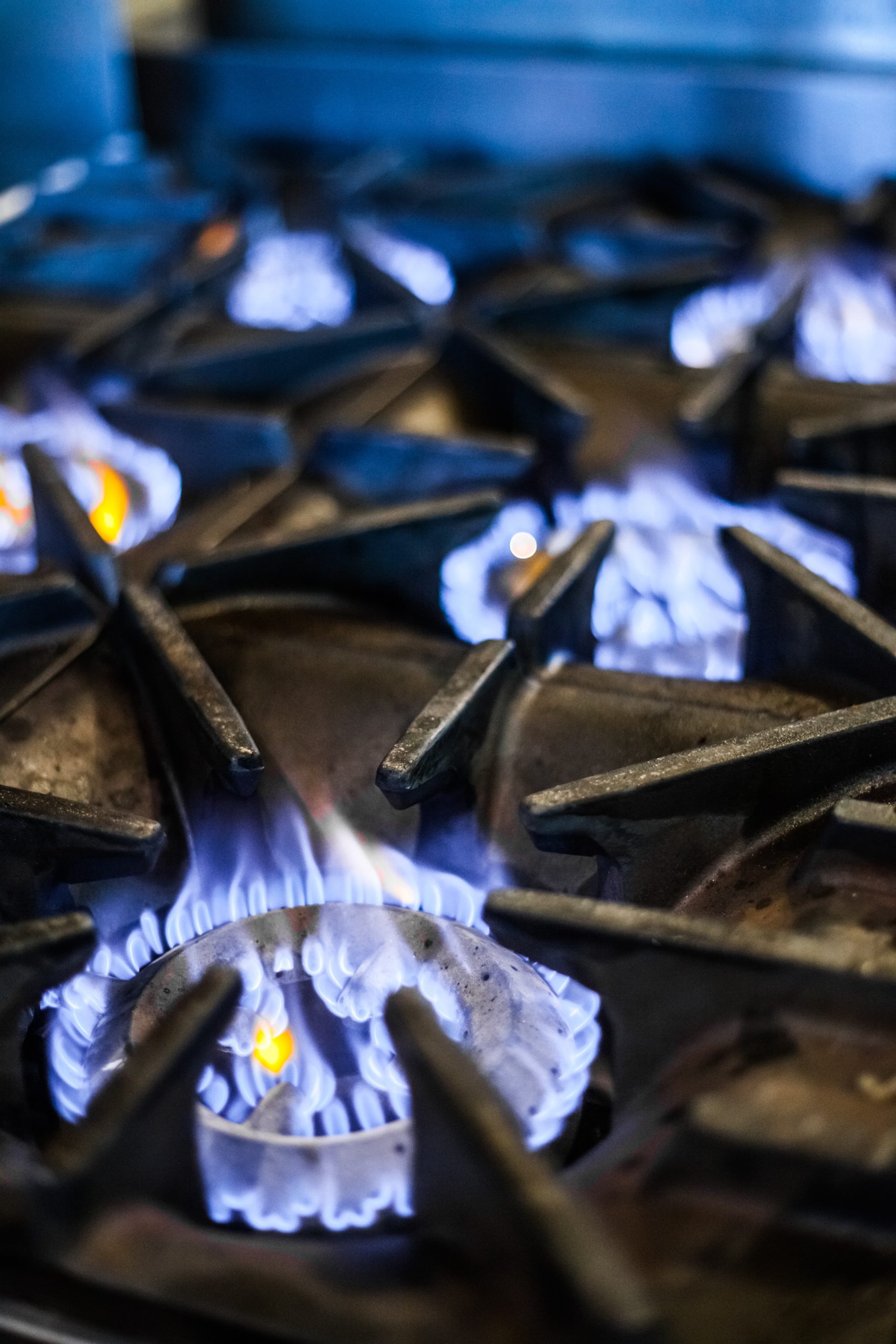
There are no legal ramifications for homeowners who do have gas certificates. However when you are planning to sell your home it is crucial to obtain one. This will help potential buyers feel more confident about the home and will accelerate the sale.
Landlords are legally bound to check their properties and obtain a gas safety certificate however homeowners aren't. It's a good idea for homeowners to get a gas safety check done by a Gas Safe registered engineer every year. This will give homeowners peace of mind and they may even save money in the near future since their appliances could be covered under insurance policies.
Building Regulations are designed to ensure that a structure is safe for its inhabitants and their families, however part J of the regulations addresses gas safety. This requires landlords notify their local authorities when they install a gas-based heat appliance. This information is included in the appropriate Building Regulations Compliance Certificate.
It's not possible to inform your local authority you've installed a new gas boiler or heating system in your home, but there are some exceptions for flueless systems like cookers and hobs that are able to be reported under the same scheme. You can also provide information about non-domestic installations to your local authorities using the same process. However, you will not be issued a certificate of compliance.
It's a letting condition
Gas safe building regulations compliance certificates are required by landlords in order to legally rent properties. The certificate states that the appliances are safe to use and has been tested by an engineer. Landlords require a certification before they can rent out their property, and it's important to obtain one annually. Having a certificate can assist in avoiding any issues down the road, and it is also beneficial for potential buyers and mortgage lenders.
Gas safety certificates are a legal requirement of all landlords who have commercial or residential rental properties. It is issued by a qualified Gas Safe registered engineer after an inspection and is valid for 12 months. Landlords must give their current tenants the certificate within 28 days and must issue a new gas safety certificate to new tenants. The certificate must be displayed in a conspicuous location and should indicate the procedure for obtaining an individual copy of the document.
Part J of the Part J of the Building Regulations is a concern for gas safety. It requires landlords to inform the local authorities whenever a heat-producing gas appliance is installed and to obtain a Gas Safe compliance certificate for the installation.
It is crucial for landlords to know the difference between gas safety certificates and the building regulations compliance certificate. The latter is required across all countries in the UK including Northern Ireland and Scotland. It is also a requirement in the Isle of Man and Guernsey. A Building regulations compliance document is a complete document that requires the engineer to examine all parts of the property including ventilation, carbon monoxide detection and boilers and flues.
The local authority will not issue an official certificate of compliance if the structure does not comply with the regulations. The owner must be aware of the differences between the two documents and take steps to ensure that they are in compliance. It is a good idea also to keep copies of the certificates in case you need them in the future for remortgages and sales.