

Why Landlords Should Keep Their Gas Safety Certificates Up to Date
Landlords must ensure that the gas appliances are safe and in compliance with the regulations. Failure to comply could result in fines and harm the security of tenants.
CP12 is an abbreviation of CORGI Proforma 12. Also called a Gas Safety Certificate, or Landlord's Gas Safety Record.
Gas pipework, appliances and flues have to be tested every year. Some landlords have difficulty gaining access to their properties and are forced to follow an inspection that is shorter.
It's a legal requirement
It is crucial to keep your gas safety certificate current, whether you are a landlord who has one property or a portfolio of rental properties. A penalty or even a fine could be the result of failing to comply. There are also some practical benefits for having your gas appliances checked and a valid certificate posted in every property.
A gas safety certification contains information such as the date of inspection the address of the house inspected, the details of each appliance checked with their current condition, and the name and number of the engineer who conducted the inspection. It also identifies any appliances that are deemed unsafe to use' and offers suggestions on how to remove the fault. If an engineer discovers unsafe appliances, they'll issue an "ID" code. If the appliance is found to be in danger, but not immediately it will be issued an "AR" code.
Tenants can sometimes refuse access to a gas safety check and this is when the relationship between landlord and tenant may begin to get strained. However, landlords must take every reasonable step to comply with the Gas Safety (Installation and Use) Regulations of 1998. This means making multiple attempts to conduct the checks and writing to the tenant stating that this is a legal requirement for their own security. It's also a good idea to include access arrangements in the lease agreement.
Landlords should also display a copy of their gas safety certificate at every property. This will prevent tenants from moving into homes with unsafe gas appliances, and allow potential future tenants to look up the history of safety checks. A gas safety certificate can also help you establish an image of a responsible landlord. This will draw more tenants.
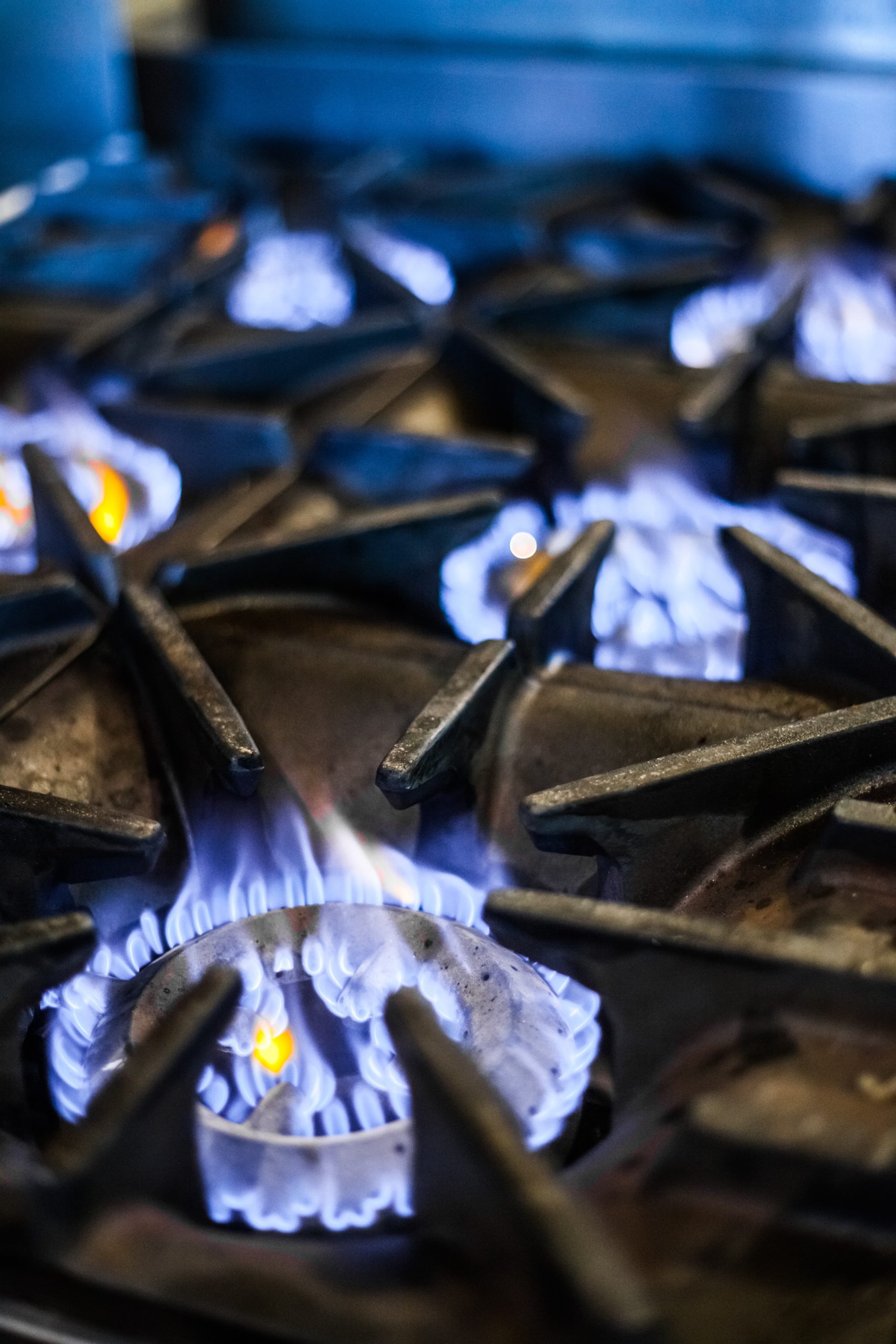
In addition to ensuring that your gas equipment is safe, having an annual service contract with a Gas Safe registered Engineer will save your time and money in the long run. For instance, many gas companies offer a discount price for annual Gas Safety Certificates. You need to shop around to find the lowest price.
It's a great idea
As a landlord, it's your obligation to ensure the safety of all gas appliances you have in your home. Regular inspections conducted by a qualified Gas Safe engineer are the best way to find and correct any issues before they become more serious and dangerous for tenants. Regular inspections can also help keep gas boilers, as well other equipment, in good working order and allow them to last longer.
Landlords must have the Gas Safety Certificate valid for each gas appliance in their property. Without these certificates, landlords could face hefty fines and may find that their appliances are unsafe to use for tenants. It's not difficult to get an Gas Safety Certificate for your home by hiring a qualified engineer and making an appointment.
A gas inspection every year is the minimum required under the Gas Safety Regulations, but it's a good idea to conduct more frequent inspections particularly if your home was left empty for a prolonged period of time. This is because appliances could be altered or the gas supply could be shut off when the property is unoccupied.
If you are considering letting your property, it's important to have an up-to-date gas safety certificate before you hand keys to new tenants. Re-inspections are also required when tenants have removed the old appliances or any work has been done on the gas system.
It's a great idea request your tenant to give access to their property prior to any inspection. If they're hesitant to give access, you can write them a clearly written letter that explains the reason for access and what the gas safety checks will entail. If they still refuse then you can start the eviction process by sending them a section 21 notice.
Gas safety is your top priority. You must carry an Gas Safety Certificate on all of your gas appliances. You could lose your deposit and be subject to legal action from the local council or Health and Safety Executive if you don't. It's a good idea to avoid this, to have your Gas Safety Certificate updated and to have an annual check by a Gas Safe engineer.
It's a thorny issue
Some people are not happy with the gas safety inspections for landlords. It's not just a legal requirement, however, it makes sense to ensure that tenants are using appliances which have been inspected by experts. After all, if something goes wrong it could cause an extremely dangerous gas-related accident that is a disaster for anyone who is within or around the property.
Some tenants will not allow access for these inspections, which is understandable. Some tenants might feel it's an invasion of privacy or think that the inspection is an attempt to spy on or monitor them. However, gas safety certificate check must keep in their minds that they are legally obliged to conduct these inspections, and they can only do this only if tenants permit them access to their property.
Being faced with angry tenants can be a hassle particularly for landlords who have multiple properties. It's also important for landlords to be aware that if they fail to obtain their gas safety certificate, they risk hefty fines and tenants may not be allowed to move in until the problem is resolved.
It's also an excellent idea for landlords to save copies of the gas safety certificate in case the property is ever taken. If the previous tenants don't have a copy the certificate, they might not be able prove that the inspections were carried out correctly. It's worth keeping an archive in case of need.
The Health and Safety Executive can charge a landlord with a criminal offense if they don't give their tenants the original certificate of gas safety within 28 days of an inspection. If you're a tenant, it's recommended to get one from your landlord as soon as you can.
Landlords are required to keep their Gas Safe certificates current and give copies to tenants. They can be purchased at Gas Safe online, and the process is simple and easy. The certificate is not expensive - depending on where you live and the number of appliances tested, it ranges between PS50 and PS90.
It's not expensive
When you think about the costs of renting a property, you probably don't consider the cost of gas safety inspections. This is a legal requirement and must not be overlooked. This will ensure that your tenants are safe and you are able to provide a valid certificate if any problems arise. gas safe certificate check can also assist you to avoid future costly repairs.
Be aware that landlords must maintain their plumbing, appliances and flues clean. Regular maintenance will help prevent carbon monoxide poisoning which is an extremely dangerous health danger. It is caused by malfunctioning gas boilers, cookers and fires. Carbon monoxide, a colorless and tasteless gas, cannot be detected without special equipment. Carbon monoxide detectors must be installed in every home and should be regularly checked. Gas appliances also need to be checked regularly.
The cost of a landlord gas safety check can vary slightly from engineer to engineer. You can find a reasonable price by entering your postcode online and comparison shopping for quotes. It is also worth asking about discounts if you have multiple properties that must be checked. Some engineers offer discounts when you combine inspections.
The location of your home is a further factor that may influence the cost of a security check. Landlords who live in metropolitan areas such as London will likely have to pay more than those living in less affluent regions or in remote areas.
Landlords must also be aware of the possibility that tenants will refuse to let access to conduct a security check. This is usually due to tenants' fear of invasion of privacy or suspicion of snooping. But a well-written letter explaining the reasons to gain access will convince them to let you in.
If a tenant continues to refuse access to the property, the landlord may decide to force the tenant to comply with the inspection. This could include a Section 21 notice, but the court will decide if this is reasonable. The most effective way for the landlord do is communicate with the tenant to explain the reasons why a gas safety inspection is required.