

How to Get a Gas Safety Certificate Example For Your Property
While property sales are not an easy task A gas safety certificate can ease the mind of buyers and increase the chances of getting your house sold. How do you get one of these?
While some property owners leave this responsibility to their managing agents, it is still a landlord's legal obligation to organize and maintain gas safety inspections.
The Header
A gas safety certificate is a type of document which proves that all gas appliances in a home have been checked by an engineer and are safe to use. Gas certificates are required by landlords when they let their properties to tenants. They can protect the landlord from being prosecuted. It can also reassure potential buyers that the property will be safe and secure, which is a fantastic selling point.
Homeowners don't need a certificate of gas safety, but they should make sure that their appliances are safe. This can protect them from costly repairs or carbon monoxide poisoning. It can also keep them from getting fines. If they're considering selling their home having a gas safety certificate could help them as it will make the process easier and increase the odds of their property being sold quickly.
There are a few important things to keep in mind when filling out the gas certificate. For one, the certificate must be signed and dated by the engineer who conducted the inspection, along with their professional registration number, official stamp, or seal. It should also include information about the property, including all gas appliances that are in it, as well as their model and make numbers.
Once you have completed the template for your gas certificate then you can print it and sign it using airSlate SignNow. This will allow you to be in compliance with eSignature laws and keeps your signature secure and legally binding as it is recorded online.
The Engineer Details
Gas safety certificates are essential for landlords since they provide tenants with evidence of the appliances that have been inspected. They also serve as an evidence of the date and time at which the inspection was conducted. A sample gas certificate will contain details about the property as well as the appliances and engineer who conducted the inspection. It also contains various codes that define the condition of each appliance.
The first box on the template has information about the engineer who performed the inspection. This includes his name, identity number, and a photocopy of his Gas Safe registered engineer card. Before you hire an engineer to conduct a gas safety inspection it is crucial that you confirm the accuracy of this information.
The address of the property is also included. This is vital to be able to identify the property in case of any dispute. It is also an obligation of law that the address be correctly listed.
The engineer will outline the findings of his investigation in the following section. He will then rate each appliance in accordance with their condition and state whether they are considered fit for use or not. Appliances rated ID or AR must be replaced immediately. Appliances that are rated NCS may be utilized, but they will need to be repaired as quickly as possible.
If the engineer is satisfied all of the gas appliances within a house are safe and safe, they will issue a gas certificate to the building. It can be issued in paper or electronically generated. It is a good idea to consult your local regulations and standards for specific requirements regarding the format of a gas certification.
The Property Details
Landlords are legally required to ensure that all gas appliances, fittings and flues in their rental properties remain in good working order and are safe. To ensure this, they have to schedule annual safety and service checks with an engineer in gas. In the event that they don't have them, they could be fined or even jail. They must also keep detailed records and maintain a comprehensive Gas Safety Certificate.
A Gas Safety Certificate template will comprise several sections that contain the most important information about every check. The topmost part contains the details of the person who carried out the task, allowing it to be checked against the ID card of the engineer. The next box specifies the exact address of the property that the gas work took place. This information must be stated clearly to avoid confusion or misrepresentation. Below, a table will be provided which includes all gas appliances that have been inspected by the engineer. The make, model and the location of each appliance are listed in the table along with their current status - whether they are deemed to be Fit For Use (FFU) or Not fit for Use (ID).
The section should also include any faults or issues detected by the engineer and any remedial actions required. The date of the inspection should be noted next, along with an area for the engineer as well as the landlord to sign and date the document. The certificate will also contain the next inspection date at the bottom. It is important that landlords keep a record of each gas safety certificates for their properties because they can prove useful in accelerating the conveyancing process when the time comes to sell the home.
The Results of the Inspection
During the inspection the gas engineer will conduct tests and check the various aspects of a home's gas appliances and systems. These include testing for gas leaks and ensuring that safety devices are functioning correctly. The results of these tests will be documented in the certificate. The certificate will also state whether the property passed or failed its CP12 inspection.
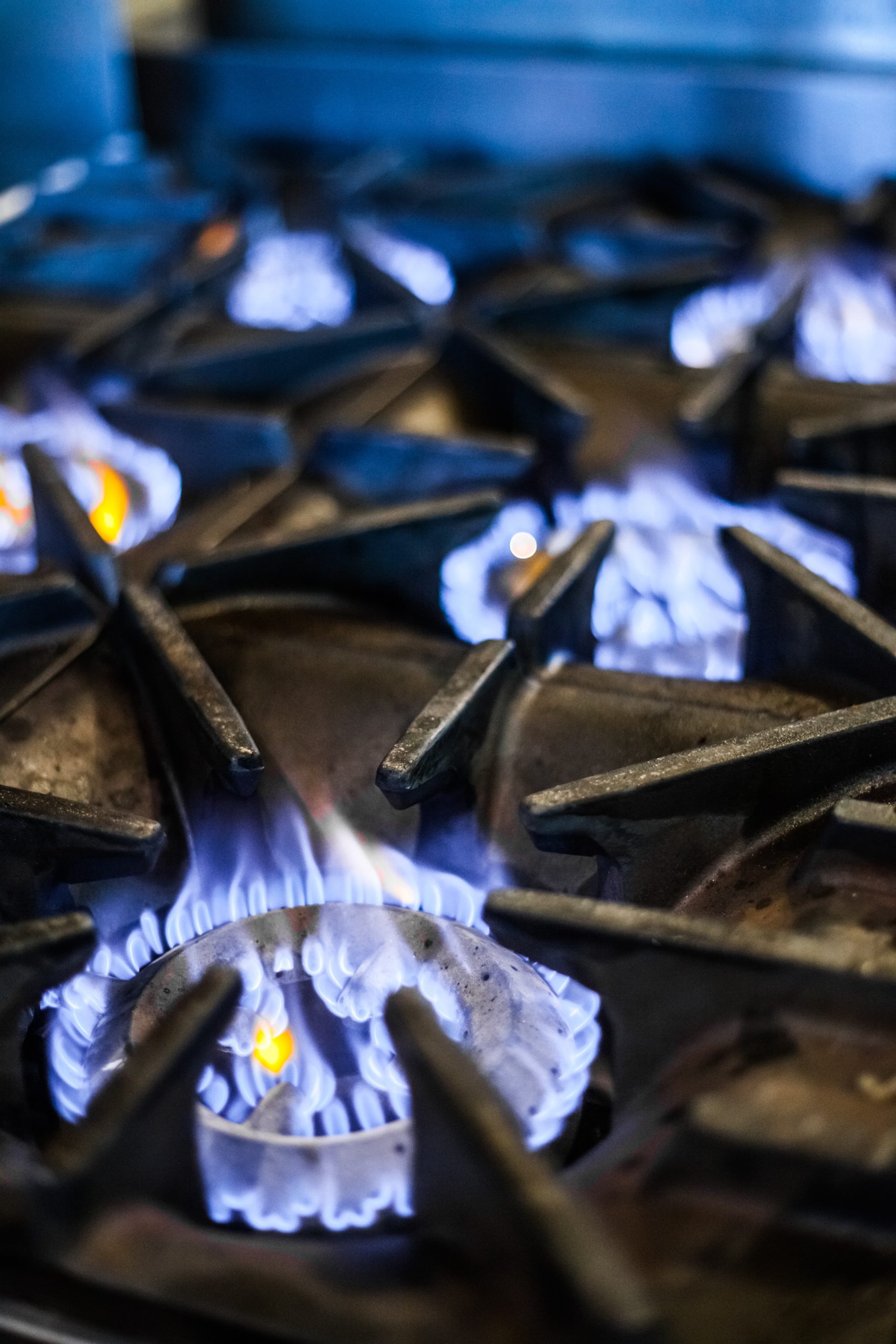
If the property is in danger of failing, the document will list the specific failings. This can aid landlords, homeowners and tenants know what needs to be addressed to ensure that the property is in compliance with relevant regulations and standards.
The CP12 certificate will identify the model and make of the appliance or installation that is being tested, as in addition to the location of the appliance within the home or business. This helps identify the equipment, which is important to keep records and for identification purposes.
The document will also include details on the results of a gas safety inspection. This could include information on the appliance or installation's gas tightness, combustion performance, flue flow, and any other relevant tests or confirmations. The engineer's professional registration and any official seal or stamp will also be noted.
It is essential that landlords, homeowners and tenants have their CP12 certificates regularly. Gas safety checks assist in keeping their properties and businesses safe and can catch problems early on to ensure they are repaired before they become costly or dangerous. A CP12 certificate is a quick way to show that gas appliances and installation have been inspected and deemed safe. It's an essential step to ensure that a house, business, or place of work is safe for people to live, visit and work in.
The Recommendations
Gas safety certificates play a vital role in the administration of the property. They ensure that all gas appliances in a property are safe to use and don't pose a risk of fire or carbon monoxide poisoning. They also demonstrate to tenants that the landlord has followed the law and taken necessary steps to keep their property to the highest standards.
Often, it can be difficult to get access to the property of a tenant to conduct a Gas Safety inspection. It could be that the tenant is concerned that it's an invasion of their privacy, or they are simply unwilling to let anyone into their home. It is crucial to convince the tenant that the checks are necessary for their safety If this is the case. You can do this by sending them a letter explaining why checks are required and what is involved. If this doesn't work, then it may be necessary to take additional steps, such as delivering a Section 21 notice.
Landlords are accountable for any gas appliances they own as well as the pipework that connects these to the property. Therefore the inspector should make sure there aren't gas leaks and that the flues are able to discharge gases out of the property. They will also make sure that the combustion is operating correctly and that there aren't any obstructions in the venting passageways.
A CP12 must be filed by any individual or company involved in the installation, repair or maintenance of gas appliances or systems. This includes plumbers, engineers and other professionals who are qualified to work with these systems. With check it out of gas engineer software, it is possible to create all industry certificates at the touch of a button and keep them safe online. This eliminates the need to replenish pads of paper certificates and ensures that records are arranged automatically and never lost.